
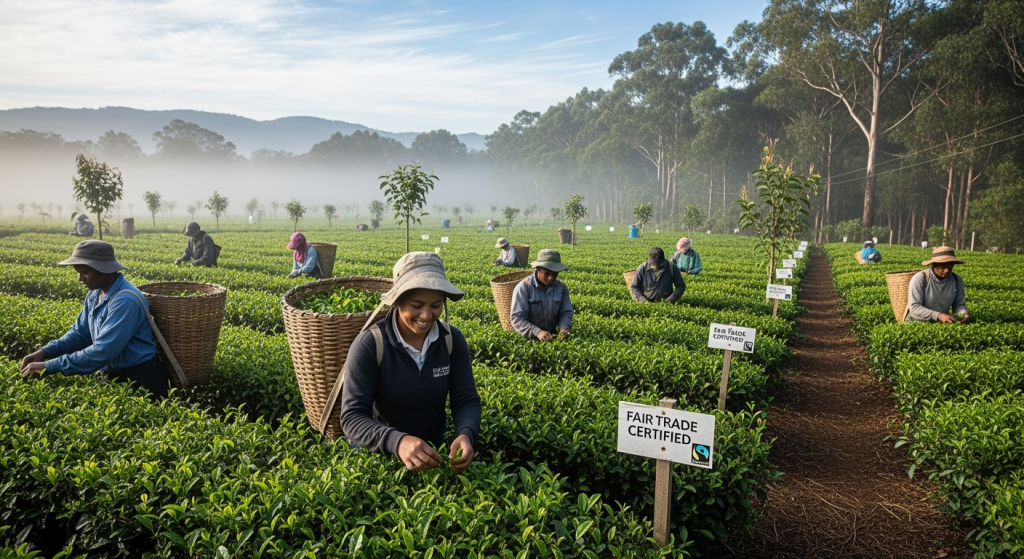
The journey from tea garden to your cup involves thousands of hands, countless decisions, and complex global supply chains. Understanding ethical tea sourcing empowers you to make purchasing choices that support both quality tea production and the communities who make it possible. When you choose ethically-sourced tea, you’re voting for a more sustainable and equitable tea industry.
The Reality of Tea Production
Most tea grows in developing nations where labor conditions and environmental standards vary dramatically. Traditional tea estates often perpetuate colonial-era structures with workers receiving minimal wages despite producing premium products sold at high prices in wealthy markets.
Climate change threatens tea-growing regions through unpredictable weather patterns, forcing farmers to adapt quickly or risk losing their livelihoods. Without fair pricing and long-term relationships, these communities lack resources to implement sustainable practices or weather economic disruption.
Ethical sourcing addresses these challenges by ensuring fair wages, safe working conditions, environmental stewardship, and community development in tea-growing regions.
Identifying Ethical Tea Brands
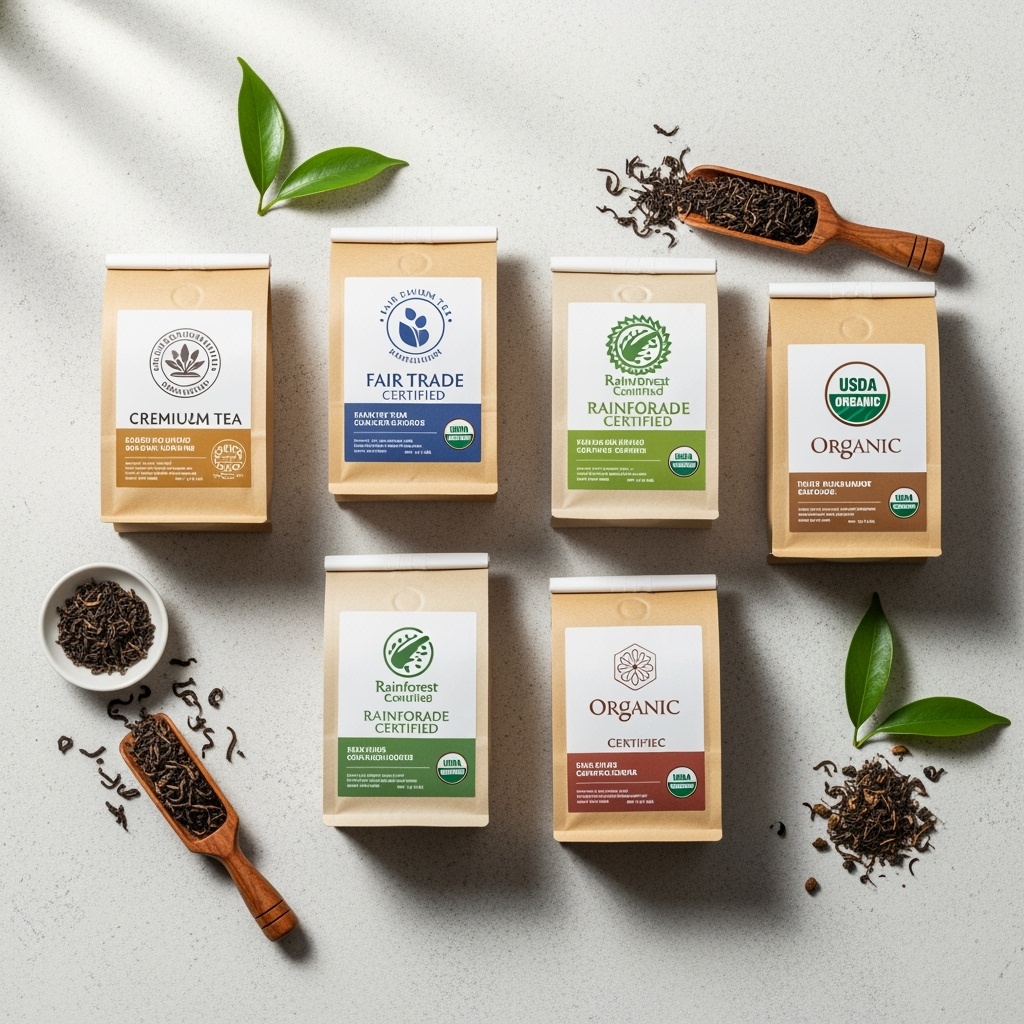
Certification Programs provide third-party verification of ethical practices:
Fair Trade Certified ensures minimum prices for farmers, community development premiums, and prohibited child labor. Look for the official Fair Trade logo on packaging.
Rainforest Alliance focuses on environmental sustainability, worker rights, and community well-being through comprehensive farm audits.
Organic Certification indicates environmentally responsible growing practices without synthetic pesticides or fertilizers, supporting both ecosystem health and worker safety.
Direct Trade Relationships allow tea companies to work directly with growers, eliminating middlemen who often extract excessive profits. Brands practicing direct trade typically share detailed sourcing stories and maintain long-term partnerships.
Beyond Certifications: Deeper Evaluation

Transparency distinguishes ethical companies from those using sustainability as marketing. Look for brands that share specific farm locations, grower names, and detailed sourcing stories. They should readily answer questions about their supply chain.
Premium Pricing often indicates fair compensation throughout the supply chain. Suspiciously cheap “premium” teas usually compromise ethics somewhere in production.
Seasonal Availability suggests authentic sourcing rather than blended commodity teas. Ethical brands often have limited availability during peak harvest seasons.
Community Investment extends beyond fair wages to education, healthcare, and infrastructure improvements in tea-growing communities. Companies genuinely committed to ethics typically support projects beyond their immediate supply needs.
Environmental Considerations
Sustainable tea farming protects watersheds, maintains biodiversity, and builds soil health for long-term productivity. Ethical sourcing includes:
Water Management practices that prevent pollution and conserve resources in regions where clean water access affects entire communities.
Biodiversity Protection through shade-grown tea, wildlife corridors, and pesticide reduction that supports ecosystem health.
Climate Adaptation support helping farmers develop resilience to changing weather patterns and temperature shifts.
Packaging Responsibility using minimal, recyclable materials that don’t create waste problems in developing nations.
The Impact of Your Choices
Every tea purchase is a vote for the kind of industry you want to support. Choosing ethical brands:
- Ensures tea workers receive living wages and safe working conditions
- Supports environmental conservation in vulnerable ecosystems
- Builds community resilience through education and healthcare investments
- Encourages more companies to adopt responsible practices
- Often results in higher quality tea due to better farming practices
Making the Transition
Start by researching your current favorite brands’ sourcing practices. Many companies now publish sustainability reports or sourcing information on their websites. Gradually replace less ethical options with brands that align with your values.
Expect to pay more for ethically-sourced tea, but remember that fair pricing reflects true production costs rather than exploitation. The enhanced quality and positive impact often provide better value than cheaper alternatives.
Building relationships with ethical tea vendors creates opportunities to learn about seasonal offerings, new sourcing partnerships, and the stories behind your favorite teas. This connection transforms tea consumption from anonymous commercial transaction to meaningful participation in global community.